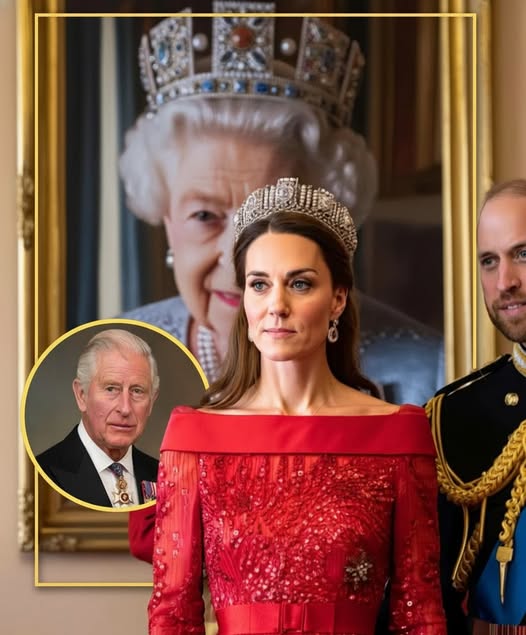

As the Strathmore Rose Tiara reemerged after nearly a century in silence, its return felt less like a fashion moment and more like a quiet coronation of trust.
In the world of royalty, few objects carry the weight of history as profoundly as a tiara. Beyond the sparkling diamonds and intricate craftsmanship, these heirlooms symbolize legacy, continuity, and the delicate interplay of personal and institutional trust. When the Strathmore Rose Tiara made its first public appearance in nearly a hundred years, the moment was electric — not for fashion alone, but for the centuries of royal narrative it quietly embodied.
A Tiara Steeped in History
The Strathmore Rose Tiara, crafted with meticulous attention to detail, has long been a symbol of prestige and familial legacy. Commissioned in the early 20th century, it passed through generations quietly, largely shielded from public view. Unlike other jewels frequently worn during state occasions, this tiara remained in the private archives of the family, its story whispered in royal circles rather than emblazoned across headlines.
Royal historians note that the tiara represents more than artistry; it is a testament to the enduring influence of heritage and the subtle gestures that communicate trust, loyalty, and succession. Its nearly century-long silence was as much a part of its mystique as its sparkling rose motifs and delicate diamond lattice.
The Moment of Reemergence
The Strathmore Rose Tiara’s return to public view occurred at a private royal event, where only a select number of insiders and dignitaries were present. Observers described the atmosphere as reverent — a hush falling over the room as the tiara was carefully placed, signaling more than aesthetic appreciation.
Princess Catherine, who wore the tiara for this occasion, has long been admired for her poise, discretion, and understanding of royal symbolism. In that moment, sources describe how her measured presence transformed the act of wearing the tiara into an emblem of continuity, respect, and deliberate authority.
“It was not just about style,” notes royal commentator Emily Hawthorne. “It was a ceremonial affirmation — a recognition of legacy and trust, a quiet yet powerful statement about the monarchy’s future.”
Symbolism Beyond Fashion
Unlike typical public appearances with tiaras, this moment emphasized heritage over glamour. The Strathmore Rose Tiara embodies several layers of symbolism:
-
Historical Continuity: Its reemergence connects present royals with their predecessors, emphasizing continuity and the weight of inherited responsibility.
-
Trust and Stewardship: Being allowed to wear a nearly century-old heirloom signifies a profound level of trust within the royal family.
-
Institutional Stability: By choosing this tiara for a private occasion, the monarchy signals stability, respect for tradition, and deliberate engagement with its symbolic artifacts.
This combination of aesthetic beauty and historical gravitas ensures that the tiara is more than a piece of jewelry; it becomes a narrative device through which the monarchy communicates with itself and the world.
A Quiet Coronation of Trust
The phrase “quiet coronation” has been used repeatedly by royal observers to describe this event. Unlike a formal coronation, this moment required no public fanfare, no televised grandeur, and no ceremonial procession. Its significance lay entirely in the symbolism: trust being conferred, legacy being acknowledged, and future responsibility being silently affirmed.
King Charles III reportedly oversaw the decision with meticulous care, ensuring that the tiara’s reemergence aligned with both family protocol and long-term symbolism. Sources suggest that this gesture reflects his understanding of the monarchy not merely as an institution, but as a living tapestry of history, relationships, and careful stewardship.
The Role of Princess Catherine
Princess Catherine’s involvement amplified the moment’s resonance. Her selection of attire, posture, and demeanor communicated reverence for the tiara’s legacy. Observers note that her approach balances elegance with authority, demonstrating a modern interpretation of royal duty.
In wearing the Strathmore Rose Tiara, she became both custodian and interpreter of history. Every gesture — from the careful placement of the tiara to the understated poise she maintained throughout the evening — underscored her role as a bridge between past and future, embodying both tradition and contemporary relevance.
Historical Echoes
Royal historians emphasize that symbolic acts, especially involving heirlooms, have long played a role in consolidating influence and signaling intent. The return of the Strathmore Rose Tiara recalls similar moments when jewelry and ceremonial objects were used to:
-
Affirm loyalty within the family
-
Signal readiness for expanded responsibilities
-
Emphasize continuity amid changing social or political contexts
In this context, the tiara is not merely decorative; it is a strategic tool, communicating layered messages about trust, succession, and institutional stability.
The Intersection of Heritage and Modernity
What makes this moment especially compelling is the intersection of heritage and modernity. While the tiara originates from an era defined by strict tradition, its reemergence in the hands of a modern royal reflects a careful blending of legacy with contemporary sensibilities.
Princess Catherine’s engagement with the tiara demonstrates how modern royals navigate historical artifacts: respecting tradition while interpreting its relevance for today’s monarchy. This balance ensures that symbolic gestures remain meaningful, resonant, and influential across generations.
Lessons in Leadership and Symbolism
The Strathmore Rose Tiara’s reemergence offers broader insights into leadership and influence:
-
Symbolic Gestures Matter: Objects and rituals carry meaning that can influence perception and reinforce authority.
-
Trust is Central: The act of conferring a historic heirloom conveys confidence and reliability within hierarchical structures.
-
History Shapes the Future: Engaging with heritage responsibly provides continuity, context, and legitimacy.
-
Discretion Enhances Impact: The most profound moments often occur away from public scrutiny, allowing symbolism to resonate more deeply.
These lessons extend beyond royalty, offering insights into leadership, stewardship, and the strategic use of symbols in organizational and cultural contexts.
Public and Media Reaction
Though largely private, the event quickly captured the imagination of royal watchers and media outlets worldwide. Analysts highlighted the tiara’s historical significance, its delicate craftsmanship, and the strategic wisdom in its selection. Social media discussions reflected fascination not just with fashion, but with the layered messages conveyed through the act.
Observers noted that this subtlety enhances public perception: the monarchy demonstrates that it honors history, values trust, and adapts to contemporary expectations without sacrificing dignity or ceremony.
The Human Dimension
Beyond its institutional significance, the tiara’s reemergence highlights the human dimension of royalty. It underscores the importance of family trust, the careful passing of legacy, and the recognition of personal responsibility. These quiet acts of stewardship reveal a monarchy attuned to both history and the lived experience of its members.
Princess Catherine’s interaction with the tiara demonstrates empathy, understanding, and respect for those who came before — qualities that reinforce her influence within the royal household and her role as a model for future generations.
Implications for the Monarchy
The Strathmore Rose Tiara’s return has implications for both tradition and perception:
-
Strengthening Legacy: It reconnects the current generation with centuries of royal history.
-
Signaling Responsibility: The act symbolizes readiness to assume trust and authority.
-
Enhancing Public Confidence: Even a private moment can reinforce public perception of stability, respect for tradition, and thoughtful leadership.
-
Guiding Future Generations: It serves as a subtle educational tool, illustrating the values of stewardship, discretion, and historical awareness.
Conclusion: A Moment Beyond Fashion
The reemergence of the Strathmore Rose Tiara illustrates that symbolism, trust, and heritage often carry more weight than public display. In that quiet moment, as Princess Catherine placed the tiara upon her head, it was clear: history was not merely being honored — it was being entrusted to a future shaped by discretion, responsibility, and reverence.
The tiara’s sparkling rose motifs are more than decoration; they are a bridge between eras, a testament to the monarchy’s enduring relevance, and a quiet coronation of trust. In that instant, it was evident that the monarchy’s future is guided not just by titles and ceremony, but by deliberate, meaningful gestures that connect past, present, and future